2026-11-03 · Alex Rivera
Local Considerations for Water Damage in San Diego Canyon Homes
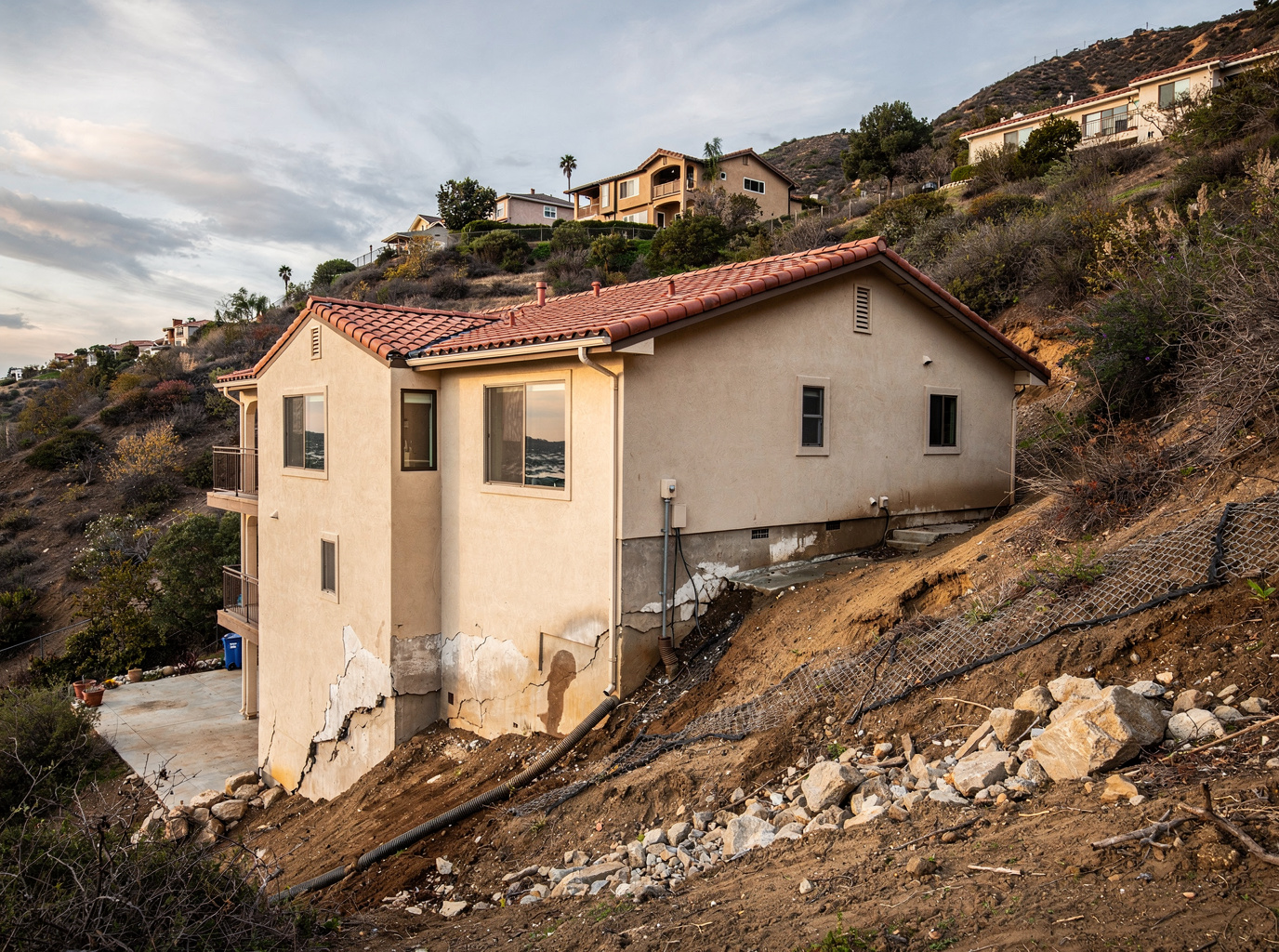
San Diego canyon homes often require targeted water damage restoration because steep slopes and natural drainage paths concentrate runoff directly against foundations during even moderate rain events. This terrain-driven flow differs from flat neighborhoods like Downtown San Diego and demands earlier intervention to avoid soil saturation around older footings common in North Park and Mission Valley builds.
Drainage and Runoff Patterns on Canyon Slopes
Canyon properties in San Diego County sit on grades that direct water along specific paths, often channeling flow from higher lots into lower structures near La Jolla Cove or Balboa Park edges. Homeowners notice water pooling against retaining walls or entering crawl spaces after Pacific Beach storms because standard French drains installed decades ago no longer match current vegetation loads. Crews addressing water damage repair frequently excavate to regrade soil and install larger perforated piping sized for the 20- to 30-foot drops typical in these lots. Checking cleanouts twice yearly prevents sediment buildup that turns minor leaks into slab undermining. Properties near the USS Midway Museum corridor show similar patterns when hillside erosion carries debris into storm lines shared with neighboring homes.
Climate Influences on Moisture Retention
San Diego's mild coastal Mediterranean climate keeps soil moisture levels elevated year-round rather than allowing full dry-out cycles seen inland. This constant humidity slows evaporation in canyon pockets, extending drying times for water damage restoration by several days compared with open mesas. Winter rains, though infrequent, arrive in concentrated bursts that overwhelm natural swales around older Mission Valley homes built before modern grading codes. Linking to seasonal patterns helps predict when Handling Water Intrusion After San Diego Winter Storms becomes relevant for canyon residents. Crews monitor relative humidity inside wall cavities because the coastal air prevents standard dehumidifier runtimes from dropping below 50 percent without supplemental airflow.
Structural Vulnerabilities in Local Housing Stock
Many canyon homes in North Park and La Jolla date to the 1950s-1970s with pier-and-beam construction set into hillsides, creating underfloor voids that trap water from upslope irrigation or roof runoff. These voids allow moisture to wick into subfloors without visible interior signs until drywall softens. Water damage repair in such homes often involves lifting sections of flooring to access and dry joists rather than surface-only extraction. Retaining walls built from older concrete block frequently develop hairline cracks that admit seepage during sustained coastal fog periods. Inspecting for Moisture Damage in Coastal San Diego Properties provides a useful checklist for owners noticing musty odors near these walls.
Practical Steps for Ongoing Protection
Owners should map roof valleys and downspout terminations to confirm discharge lands at least 5 feet downslope from foundations. Adding gutter guards reduces leaf accumulation that diverts water onto siding during Santa Ana wind events. Professional water damage restoration teams serving Chula Vista and Coronado recommend annual camera inspections of main drain lines where they cross property lines on shared canyon easements. Documenting any new cracks in stucco or concrete after each rain season allows early patching before water migrates behind cladding. These targeted actions address the specific soil movement and drainage realities found in San Diego canyon neighborhoods without relying on generic statewide advice.